

Book a Blood Test or Nutrition Consult Take the Next Step
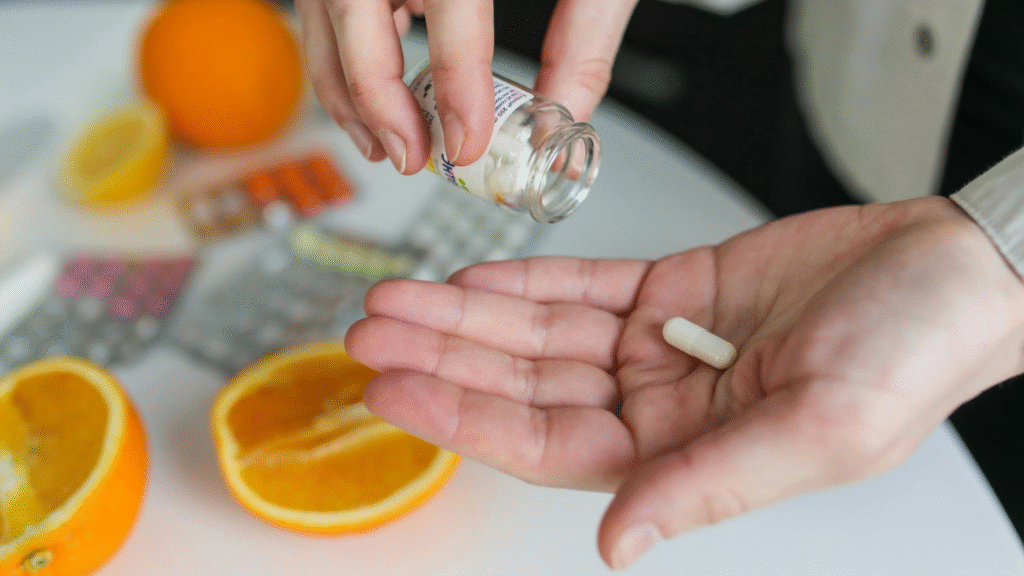
A Real Talk Guide from Someone Who’s Been There
Let’s cut the noise.
If you’ve ever asked yourself, “Are supplements helping you, or am I just buying into the hype?”—you’re in good company. I’ve been there. I’ve spent years trying powders, gummies, capsules that taste like disappointment, and doing my fair share of research along the way.
So let’s unpack it all: the good, the bad, the honest truth about supplements—and help you answer the big question once and for all…
Are supplements helping you?
Interactive Tool: Deficiency Risk Quiz
Nutrient Deficiency Risk Checker
Answer a few quick questions to assess your risk level and get personalized guidance.
What Supplements Really Are
Spoiler: They’re not magic. They’re not medicine. They’re not a fix-all.
Supplements are exactly what the name suggests—a supplement to your diet, not a replacement for real, whole food. They fill in nutritional gaps and support your body when life makes it tough to eat perfectly.
They come in many forms:
- Vitamins (D, C, B12)
- Minerals (magnesium, calcium, iron)
- Protein powders and amino acids
- Probiotics, omega-3s, and herbs
But here’s the key: Supplements only help if your body actually needs them. If you’re already meeting your nutritional needs through food, the answer to “Are supplements helping you?” might be a firm “not really.”
Why So Many People Use Supplements
Because let’s face it—modern life is chaotic.
Between takeout meals, skipped breakfasts, and stress that throws digestion out the window, many people aren’t getting the nutrients they need.
And so, they wonder: Are supplements helping you get back on track when your diet slips?
They’re often used to:
- Boost energy or focus
- Improve sleep or digestion
- Support workouts or recovery
- Fill gaps during pregnancy, aging, or illness
So again, ask yourself: Are supplements helping you improve these areas, or are you using them without real intention?
Who Actually Needs Supplements?
Not everyone. But many benefit from them.
Vegans & Vegetarians
B12, iron, and omega-3s can be hard to get without meat or fish.
Pregnant or Breastfeeding Individuals
Nutrients like folate and DHA are crucial during this time.
Those With Gut Issues
If you’ve got IBS, Crohn’s, or poor absorption, supplementation may be essential.
Athletes & Active People
You burn through minerals and stress your body more than most.
Aging Adults
As we get older, our bodies absorb fewer nutrients from food.
In these cases, the answer to “Are supplements helping you?” might be: yes, absolutely—but it depends on the right supplements and proper testing.
Blood Work: The Smarter Starting Point
If you're not sure whether supplements are helping you, start with testing, not guessing.
Ask your doctor about:
- Vitamin D (25-hydroxy)
- B12
- Iron and ferritin
- Magnesium, calcium
- Omega-3 index
This is the most reliable way to know: Are supplements helping you—or are you taking them blindly?
Book a Blood Test or Nutrition Consult Take the Next Step
Are Supplements Always Safe?
Short answer: No.
Just because it's “natural” doesn’t mean it’s safe. Supplements can interact with meds, throw off your balance, or be downright useless.
Some risks include:
- Overdosing on fat-soluble vitamins (A, D, E, K)
- Buying low-quality, untested brands
- Taking supplements that interfere with prescriptions
So again, Are supplements helping you—or hurting more than helping?
Stick to third-party tested brands (look for NSF, USP, or Informed Choice certifications), and always consult a doctor if you’re managing a condition.
Can Supplements Replace a Healthy Diet?
No. Not ever.
No supplement can replicate the complexity of real, whole food. They lack fiber, enzymes, antioxidants, and thousands of compounds we don’t even fully understand yet.
So instead of asking, Are supplements helping you replace food? — know that they shouldn’t. They’re add-ons, not stand-ins.
You still need:
- Vegetables (and more than just iceberg lettuce)
- Lean proteins and healthy fats
- Whole grains and legumes
- Hydration and proper sleep
Supplements are like a seatbelt—not a substitute for learning how to drive well.
So... Are Supplements Helping You?
Here’s the bottom line:
If you’re deficient or dealing with specific health needs, supplements can be incredibly helpful.
But if you’re guessing? You might just be throwing money away.
Ask the right questions:
- Have I tested for deficiencies?
- Am I taking this based on my unique needs—or just because it’s trending?
- Can I improve this through diet and lifestyle first?
I get it. I’ve asked myself, Are supplements helping you?—and sometimes, the answer has changed. Sometimes they’ve saved my energy, sleep, or workouts. Other times? They’ve been a waste of shelf space.
That’s the real answer: It depends.
Final Tip: Be Curious, Be Critical
Before buying into any health product, ask yourself again:
👉 Are supplements helping you because they support your health?
👉 Or because they offer a quick fix you're hoping for?
Stay skeptical. Stay informed. And most of all—listen to your body, not just the marketing.
Other Sources to Learn More About Vitamins & Supplements
- Explore all there is to know about vitamins and supplements
- Drugs and Supplements
- Dietary Supplements: Benefits, Side Effects, Risks, and Outlook